
The Resilient Wings of Accountability: Boeing’s Journey Beyond Tragedy
In the opulent landscape of aviation, where dreams take flight amidst the azure, a haunting shadow lingers over Boeing—an icon burdened by the weight of its own legacy. For more than five years, this titan of industry has found itself ensnared in a web of legal entanglements stemming from the tragic 737 MAX crashes. In the depths of this turmoil, the company has successfully sidestepped the ignominy of becoming the first corporation in American history to face criminal felony charges. Nevertheless, a select few families persist in their quest to extract the grit of accountability from an entity desperate to rise from these ashes.
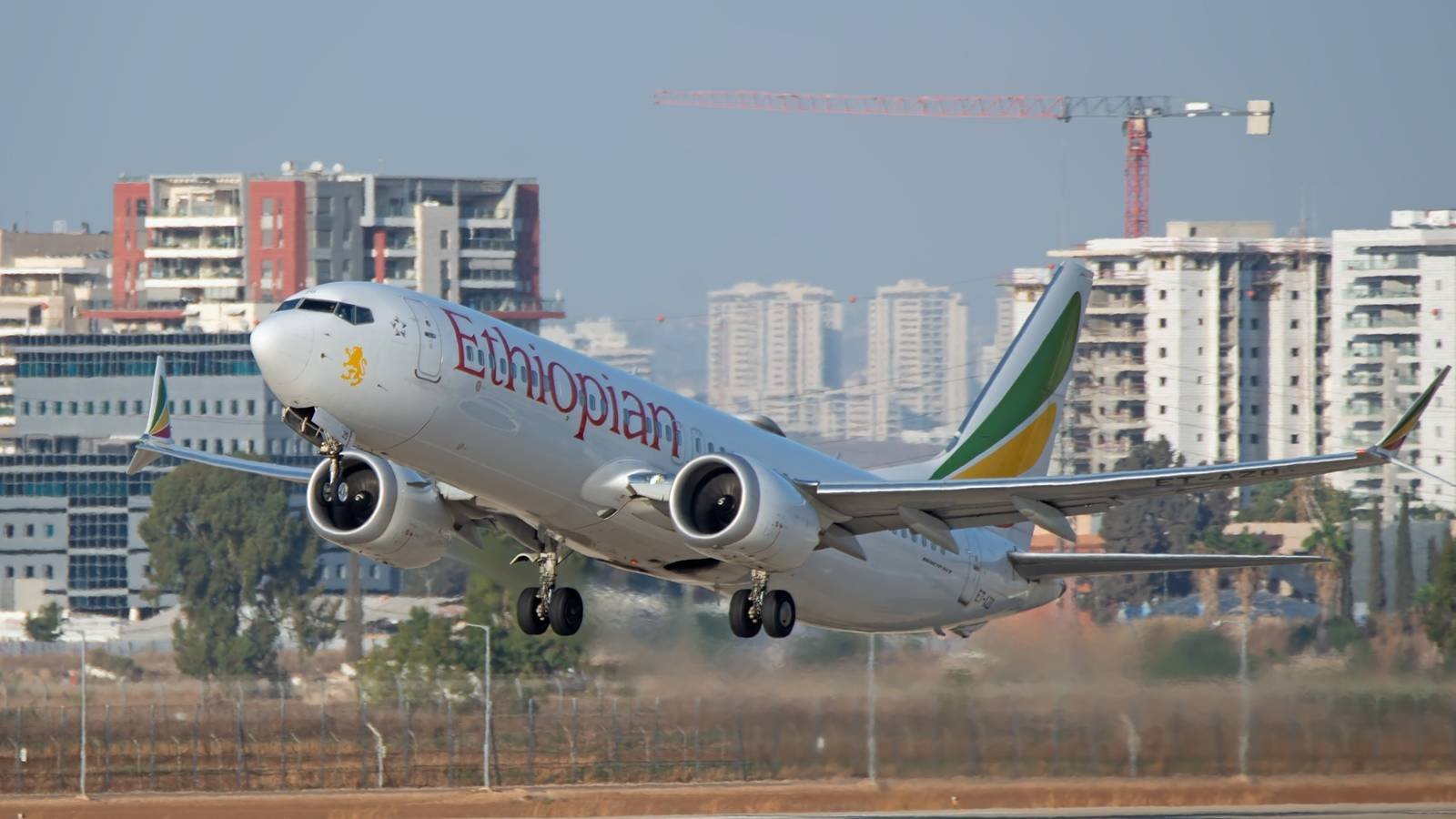
As our story unfolds, we find the echoes of pain reverberating through familial bonds irrevocably fractured by loss. The Seattle Times recently heralded a moment of vindication as a jury awarded $49.5 million to the family of Samya Rose Stumo, a radiant 24-year-old whose life was extinguished when Ethiopian Airlines Flight 302 plummeted from the skies outside Addis Ababa. Just a heartbeat away, the family of Shika Garg was similarly recognized, receiving $28 million in compensation after their own heartbreak. Each case unfurls like a delicate petal from a wilting flower, revealing the human toll marred by corporate negligence.
In the aftermath of catastrophe, revelations unfolded, casting a stark light on Boeing’s alleged deception of the Federal Aviation Administration regarding the maneuvering characteristic augmentation software—an oversight that played a critical role in the fatal incidents, claiming 346 lives. An initial willingness to plead guilty to a conspiracy charge in July 2024 now feels like a distant memory, as Boeing pivoted deftly to avoid the public scrutiny of a trial, skillfully negotiating a diversion with the Department of Justice after the presiding judge rejected their plea.
Yet the voices of justice resonate, as highlighted by Shanin Specter and Elizabeth Crawford, attorneys representing Stumo’s estate. Their sentiments encapsulate a profound sense of responsibility as they remarked, “We are gratified for the opportunity to try the compensatory damages case.” Such words float upon the air like a soft promise, carrying the weight of hope and healing.
The Price of Cutting Corners
As the veil of corporate integrity is drawn back, we observe the staggering financial repercussions that reverberate through Boeing’s coffers. To date, the company has conceded over $3.8 billion in fines, penalties, and settlements, a figure that evokes both disbelief and awe. This includes a labyrinth of payments to government agencies, airlines, and the families of victims, yet a lingering specter of lawsuits persists, weaving a complex tapestry of ongoing battles entwining the company’s own investors.
In a swift maneuver to distance itself from the specter of a public trial, Boeing shifted its strategic approach in the wake of Judge O’Connor’s rejection of a plea arrangement. This shift occurred under the stewardship of the newly appointed CEO, Kelly Ortberg, heralding a new chapter as the corporation seeks to emerge from the shadows of its past.
In May 2025, the path to a non-prosecution agreement paved the way for increased fines while simultaneously granting a complete dismissal of prior charges. O’Connor’s public criticism of this agreement casts an unflinching gaze on the ethical responsibilities demanded from corporations—reminding us that accountability is not merely a ledger entry but a fundamental obligation to the safety of the flying public.
Boeing’s Resurgence: Soaring Demand for the 737 MAX
Amidst this tempest, a remarkable renaissance unfolds as Boeing emerges from the legal labyrinth, fueled by an insatiable appetite for its 737 MAX aircraft. Airlines and operators worldwide clamor for reintegration of these jets into their fleets, marking a resounding shift in sentiment that promises to elevate the company’s fortunes anew. The early months of 2026 have witnessed a resurgence, with 284 net new orders illuminating the horizon of possibility.
With each passing day, the assembly line hums with renewed vigor; the Federal Aviation Administration has amplified production quotas to 42 aircraft per month—a testament to the company’s rehabilitated dedication to safety and integrity. This buoyancy is further underscored by the anticipation surrounding the certification of the MAX 7 and MAX 10 models, poised to cascade into production as the backlog of over 1,700 units awaits its turn.
Under the careful gaze of federal oversight, each aircraft emerges from the factory with a personalized signature from FAA inspectors—a reassuring testament that the ghosts of past missteps shall not darken this new era. With each aircraft that takes to the skies, Boeing charts a course towards redemption, proving that even the mightiest can be remade through resilience and accountability.
In the grand theater of aviation, where lives intertwine with iron and dreams, the narrative of Boeing continues to unfold—a tale marked by tragedy, reformation, and an unyielding pursuit of excellence.