
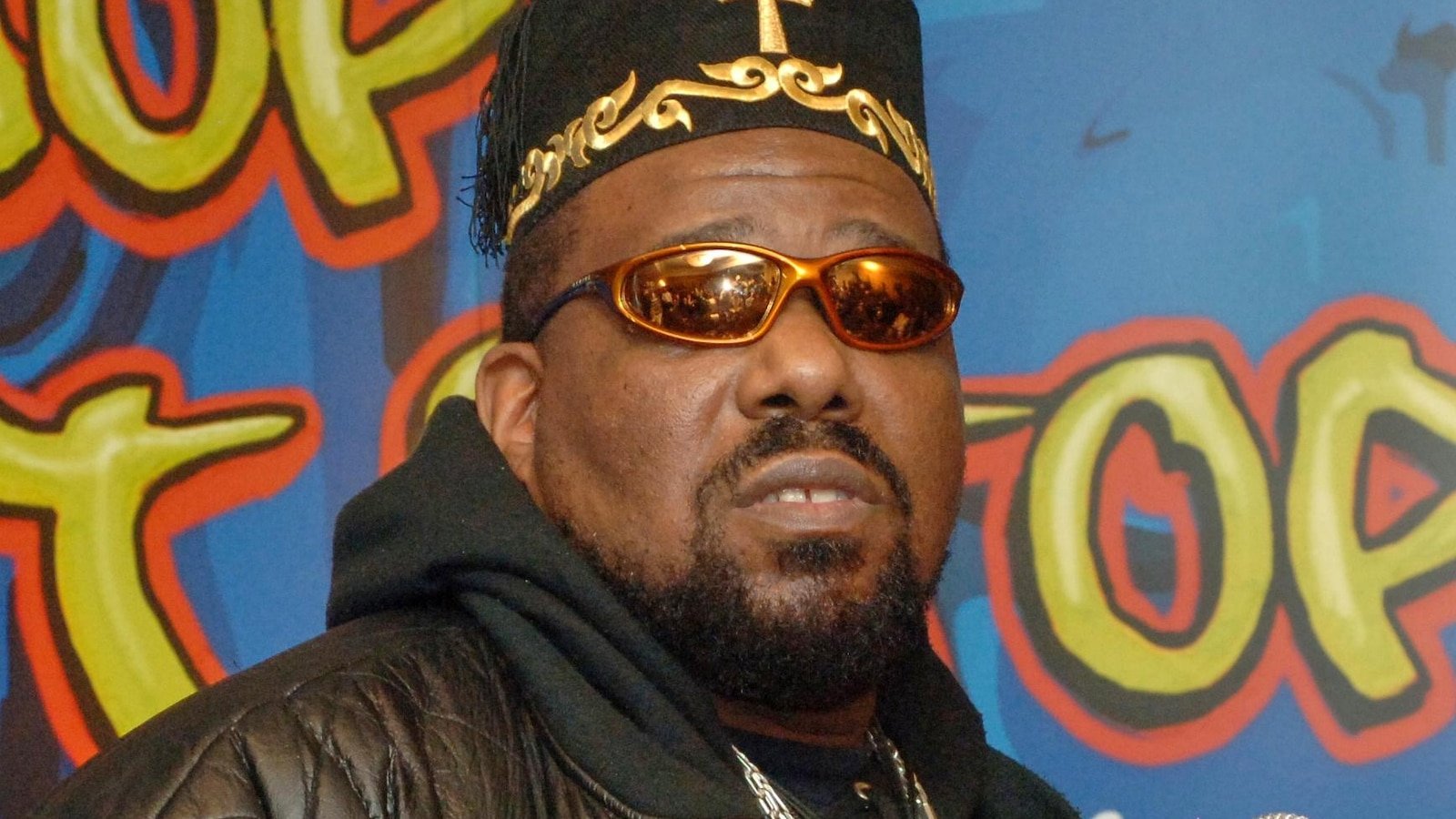
The Pulse of a Revolution: Celebrating Afrika Bambaataa’s Impact on Hip-Hop Culture
In the vast panorama of musical evolution, few figures have resonated with the thunderous reverberations that define the landscape of hip-hop as profoundly as Afrika Bambaataa. Born Lance Taylor in 1957 amid the vibrant chaos of the South Bronx, Bambaataa navigated the tumult of his youth in a neighborhood besieged by economic decay and social strife. From the ashes of adversity, he emerged as a titan, sculpting the very foundations of a genre that would transcend boundaries and ignite social change.
Affectionately dubbed the "Godfather of Hip-Hop," Bambaataa was instrumental in pioneering new sonic landscapes that would redefine music itself. His magnum opus, the transcendent track "Planet Rock," released in 1982, became an anthem of innovation, intertwining the pulsating energy of funk with the nascent electronic realm. This creation did not merely challenge the status quo; it reimagined it, inviting listeners to a dance floor of possibilities where rhythm and spirit entwined in exhilarating harmony.
With a heritage steeped in Jamaican and Barbadian roots, his formative years were steeped in a rich cultural tapestry, enveloped in the warmth of his mother’s vinyl collection. These early encounters with sound would ignite a lifelong passion that propelled him into the role of a DJ, where he transformed community centers into pulsating hubs of creativity. His illustrious gatherings, characterized by an eclectic array of music, showcased his artistry as he deftly repurposed familiar beats, crafting vibrant soundscapes that inspired countless others.
Throughout the pulsating beats of the 1970s and the electric energy of the 1980s, Bambaataa’s influence blossomed. He harnessed the power of technology, marrying traditional elements with groundbreaking new sounds, famously employing the iconic Roland TR-808 drum machine. His innovative approach, where beats transformed every few moments, created an exhilarating interplay of sound that set his parties apart from all others—each gathering a testament to his unmatched creativity.
But Bambaataa’s legacy extends far beyond the artistically vibrant; it is intricately woven into the very fabric of community and identity. Forming the Universal Zulu Nation, he envisioned a movement grounded in the principles of peace, love, and unity—an inclusive space that embraced all individuals from diverse backgrounds. Through this initiative, he sought to redirect the burgeoning popularity of hip-hop toward positive societal change, utilizing music as a platform for hope and shared identity.
And yet, in recent years, Bambaataa’s storied career has been shadowed by grave accusations that have cast a profound pall over his contributions. The voices of those who allege misconduct resonate with urgency, echoing through the corridors of an industry that had long revered him. Despite vehement denials, the shadows of these claims intertwine with his legacy, prompting reflection on the complexities that often accompany greatness.
As the world grieves the loss of this seminal figure, Bambaataa’s impact reverberates across the globe. “Hip Hop will never be the same without him,” sentiments express, underscoring a truth that transcends the echoes of his discography. To speak of Afrika Bambaataa is to celebrate an indomitable spirit—a relentless drive that molded not just a genre, but a vibrant cultural movement that continues to inspire generations.
In the tapestry of art and music, where every note tells a story, Afrika Bambaataa’s legacy remains eternally enshrined. A revolutionary soul whose beats ignited an era, he leaves behind a jubilant spirit that dances within the heartbeats of every corner of the world he touched, forever resonating in the rhythm of hip-hop’s ever-evolving odyssey.