
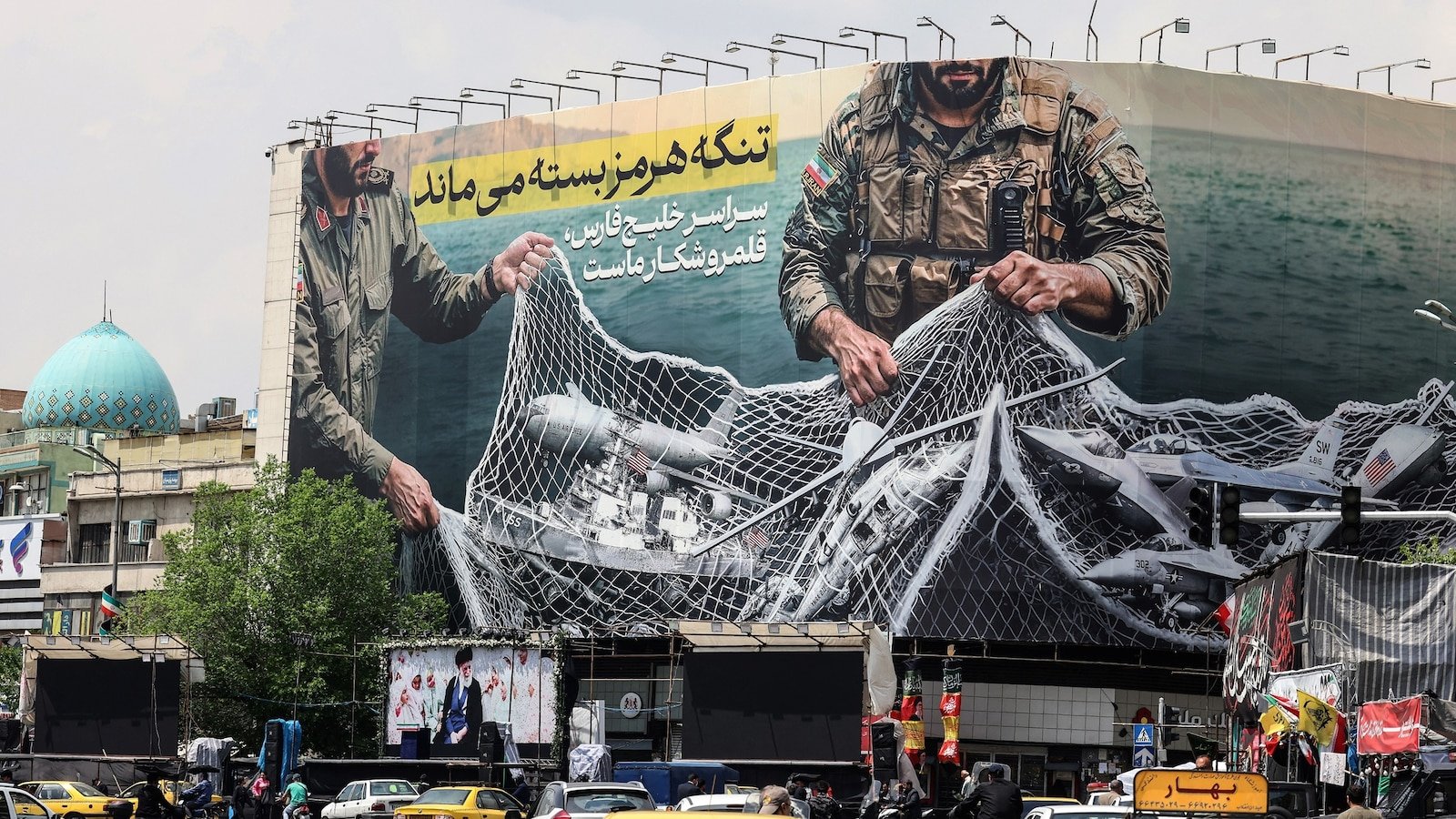
Navigating the Silk Current: The Intricacies of International Relations and the Maritime Mystique
In the realm of diplomacy, where currents shift like the tides of the endless sea, every ripple tells a tale of connection, misunderstanding, and the delicate weave of international commitments. Recently, the stage was set for yet another captivating chapter when Chinese Foreign Ministry Spokesperson Guo Jiakun eloquently articulated his nation’s steadfast dedication to its global obligations during a press briefing—an event steeped not merely in politics, but rich with narrative and nuance.
As the sun cast its golden hues over Beijing, the atmosphere shifted with the announcement that rattled global perceptions. President Trump, in a moment of unguarded candor, recounted how United States forces had seized a vessel in the Persian Gulf, presuming it carried what he described as an unsavory "gift from China." This moment of tension, saturated with the weight of expectation and the echoes of past alliances, reverberated through high-stakes corridors, drawing eyes from around the globe.
In a world where relationships can flourish with the gentlest acknowledgment or fracture under the barest misinterpretation, Guo’s response reflected a primal resolve. He reiterated, with a commitment that resonated deeply, that China stands as a responsible major power, unwavering in its duty to honor its international agreements. This declaration, a blend of pride and diplomacy, showcases not only a nation’s stance but an invitation to engage in a dialogue steeped in mutual respect.
As this saga unfolds, whispers of intrigue emerge. Nikki Haley, once the U.S. ambassador to the United Nations, entered the discourse with allegations that the intercepted tanker, purportedly on its way from China to Iran, contained chemicals intended for missile fuel—a dramatic assertion that could easily color perceptions and deepen divides. The very notion of a vessel weaving through complex waters, laden with potential conflict, illustrates the intricate lattice of international relations, where every move is calculated, and every interaction has its consequences.
At the heart of this dialogue lies a ship—a mere object of commerce—now charged with political significance and symbolism. Guo, striking back at speculation, described the vessel simply as a foreign container ship, firmly rejecting any attempts to draw unfounded connections. It is in such moments of clarity that the art of diplomacy shines, revealing how language can bridge divides or amplify misunderstandings.
As we ponder the implications of these maritime currents and the echoes of diplomatic rhetoric, it is clear that the greater narrative we are witnessing reflects not just the mechanics of politics, but the timeless story of humanity’s quest for understanding, harmony, and the elegant dance of respect across the waters. In essence, this unfolding tale is not merely about individual nations but encapsulates the vibrant tapestry of the world—a vivid reminder that in the depths of complexity, the beauty of connection and dialogue remains our truest privilege.