
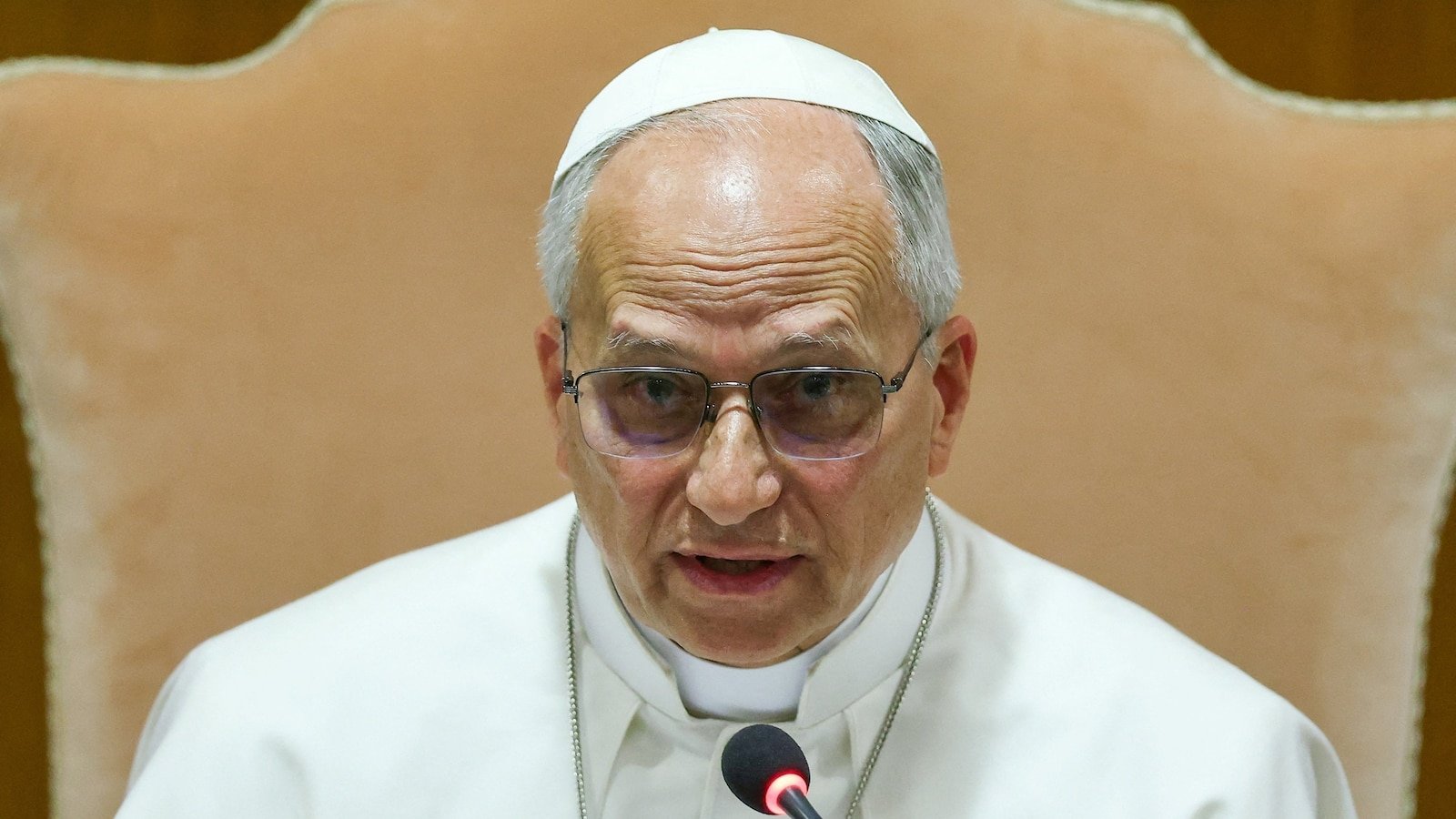
Navigating the Future: Pope Leo XIV’s Vision for Humanity in the Age of AI
In a world increasingly shaped by the intricate fingertips of technology, a clarion call resonates from the heart of Vatican City, where Pope Leo XIV has recently unfurled a vision both profound and poignant—a manifesto that seeks to safeguard the very essence of humanity amid the surging waves of artificial intelligence. Titled "Magnifica Humanitas", this encyclical emerges as a beacon of ethical guidance, urging developers and leaders alike to consider the wider tapestry of society rather than the narrow confines of profit.
A Call to Reflection: The Essence of Human Dignity
With "Magnifica Humanitas," Pope Leo XIV articulates a stirring narrative that emphasizes our shared responsibility to cultivate technology that serves as a conduit for human flourishing, rather than a harbinger of despair. He speaks emphatically against the escalating culture of power—a race towards greater sophistication in warfare technologies that could undermine collective well-being. His words encapsulate a timeless truth: decisions that wield irreversible consequences should never rest in the hands of machines devoid of empathy.
A Pivotal Moment in Ethical Discourse
This landmark proclamation, eagerly anticipated since Leo’s enthronement, traverses the delicate terrain of morality in the tech realm. It boldly critiques the unchecked accumulation of power and data, particularly in the private sector, and its potential repercussions on society’s most vulnerable—especially children. Leo’s insistence on transparent legal frameworks and external oversight calls for an awakening: a deliberate and conscientious pause to consider the ramifications of our creations.
Conversations with Silicon Valley: A Harmonious Dialogue
In an era where companies such as Anthropic and OpenAI command valuations rivaling entire nations’ GDPs, the encyclical finds its place as a cornerstone discourse, poised to serve as a reference for policymakers, scholars, and citizens alike. In tandem with the tech community, the Vatican embarked on a decade-long initiative to engage in thoughtful dialogue, emphasizing the moral imperatives that must govern the evolution of AI technology.
The Essence of What it Means to Be Human
The encyclical extends an invitation to all who stand at the forefront of AI innovation to engage in a reflective process: “What does it mean to be human?” This simple yet monumental question encapsulates the gravitas of the moment. In a world where machines increasingly usurp roles traditionally held by humans, the lines between progress and peril blur. It is critical that we embrace this dialogue with the same vigor we allocate to technological advancement.
A Prophetic Document for Our Era
As we stand at this critical juncture, many voices within the academic and technological realms declare "Magnifica Humanitas" as a potentially defining document for our times. Legal scholar Paolo Carozza articulates a vision in which this encyclical offers a clear and comprehensive guide, urging society to take up the mantle of responsibility in shaping a future where technology serves humanity rather than suffocates it.
Toward a Just and Moral Technological Landscape
In delineating the burgeoning challenges posed by AI, Pope Leo XIV underscores the urgency of ensuring ethical practices that align with fundamental human values. He boldly posits that the very notion of a just war is now dated, echoing the need for a reassessment of outdated paradigms in light of rapid technological advancements. A call for accountability emerges, requesting that developers of these powerful systems never lose sight of their moral obligations to humanity.
Constructing a Future Built on Dignity
By entwining contemporary insights with enduring principles, Pope Leo XIV articulates an extraordinary vision for the future—one marked by the dignity of work, justice, and solidarity. Addressing issues that mirror the conversations of the past century, he venerates the principles laid out in “Rerum Novarum,” a historic document that championed workers’ rights amid the Industrial Revolution, mirroring the present-day considerations of the digital era.
A Legacy of Responsibility and Hope
As we embrace this modern chapter in the saga of human existence, let us do so with a renewed commitment to ensuring that technology enhances, rather than degrades, our shared humanity. In this delicate interplay of humanity and technology, let "Magnifica Humanitas" guide our journey as we navigate the intricate tapestry of innovation, firmly anchored in the knowledge that our choices today will shape the legacy of tomorrow.
In this era of transformation, it is our collective responsibility to ensure that progress remains tethered to our highest values, reflecting the enduring spirit and dignity inherent in every person.