
Title: A Skyward Ambition: Examining the Potential Merger of United and American Airlines
In the ever-evolving tapestry of the aviation industry, a narrative of grandeur and strategic prominence unfolds, spearheaded by Scott Kirby, the visionary CEO of United Airlines. In a recent proclamation, Kirby, a figure of both reverence and intrigue, articulated his audacious vision for a potential merger between United Airlines and American Airlines. This bold proposition emerges amidst a backdrop of fluctuating global fuel prices, punctuated by geopolitical tensions that have cast a long shadow over the skies.
As the marketplace responds with a palpable ripple—American Airlines witnesses a remarkable surge of five percent in shares while United follows with a modest climb—one cannot help but ponder the far-reaching implications of a merger that could unify nearly thirty percent of domestic air travel within the United States. Such a confluence, however, traverses the delicate boundaries of legality, as antitrust laws loom large, casting a shroud of uncertainty upon the prospect.
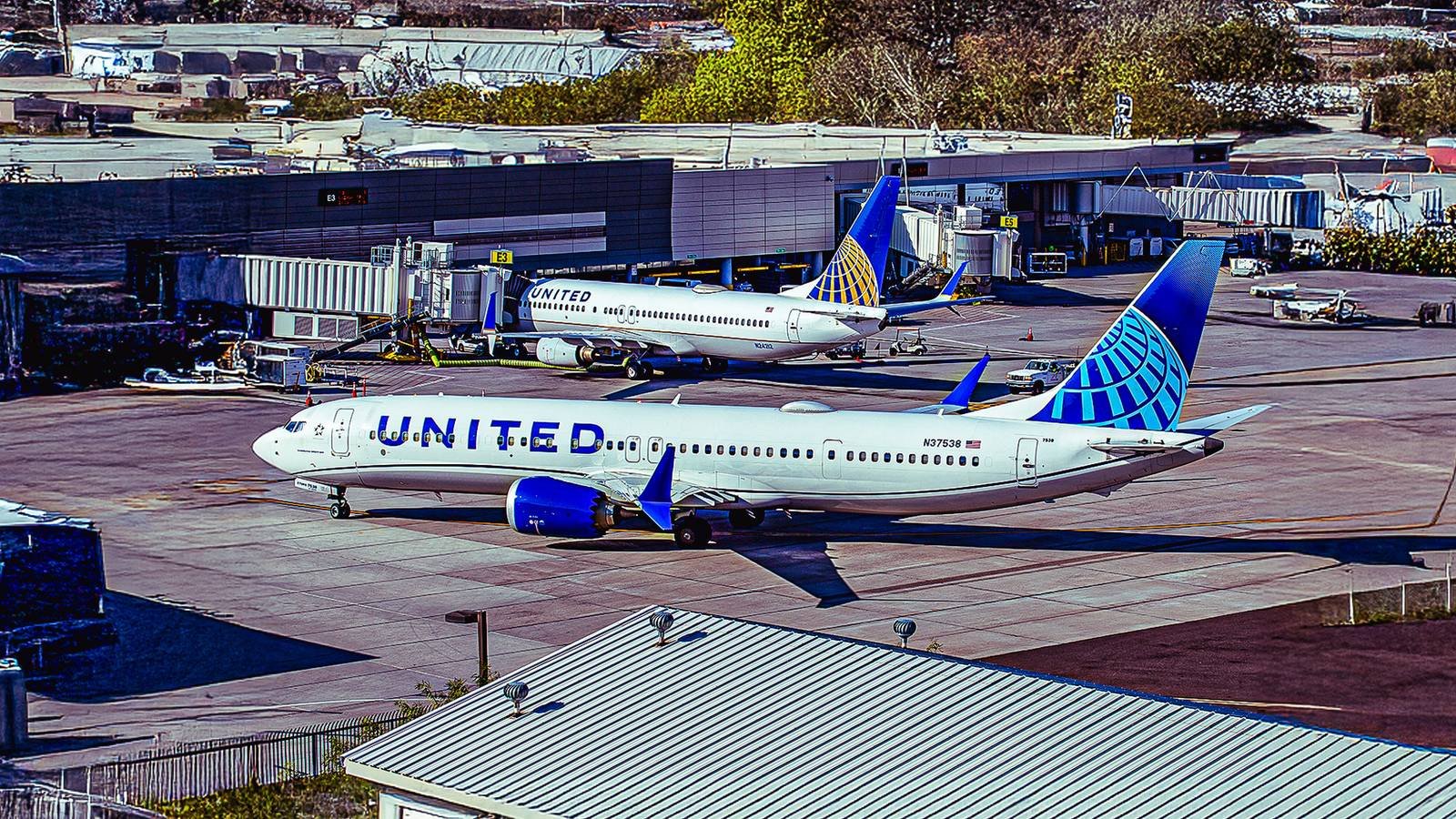
Visualize, if you will, the vastness of this potential airline giant, a behemoth of steel and innovation poised to dominate corridors of commerce. Yet, within this fabric of ambition lies a stark reality: the intricate dance of competition may render such a merger a daunting challenge. The intricate latticework of regulations, designed to ensure a vibrant marketplace, raises formidable barriers that the proposed collaboration must navigate. Esteemed legal commentators caution that the confluence of two major players in Los Angeles and Chicago may raise eyebrows within regulatory circles, challenging the very essence of competitive economics.
The implications of this merger stretch far beyond the boardrooms of corporate executives; they ripple through the corridors frequented by travelers. With the merging of loyalty programs comes the prospect of chaos, where a landscape full of elite members vies for limited upgrades and cherished seats. The dazzling promise of enhanced service could potentially metamorphose into a reality marked by shrinking options for passengers, as efficiency-driven cutbacks often jettison routes deemed less profitable.
Moreover, the looming specter of a single entity controlling such a substantial share of the market invokes a stark contemplation: could the financial misfortunes of this aerial giant, should they arise, bring to their knees an entire national infrastructure? The systemic risk entwined within this proposed merger may not only threaten the airlines themselves but also cast an ominous shadow across the broader economy.
Kirby’s vision of enhanced competition against formidable foreign carriers resonates with a narrative often echoed in political rhetoric—a desire to reclaim market sovereignty. However, the shadows of previous consolidations linger, reminding us that fare increases often accompany such unions. Just as the harmonious melodies of modern air travel promise efficiency and convenience, they also bear the siren’s call of potential monopolistic power — a dilemma for consumer advocates entrenched in the battle for fair pricing.
As we observe this evolving tale, one must remain vigilant, recognizing that the landscape of air travel thrives on diversity. The soul of the industry is enriched not merely through giant mergers but through the intricate tapestry of market competition, innovation, and spirited exploration. In a world where ambition soars as high as the aircraft themselves, let us hope for a future where the elegance of air travel remains accessible to all who share the skies.
In this curated narrative of aspiration and caution, the question endures: as we ascend into an era of potential air barons, will we navigate these celestial trajectories towards a future that cherishes both grandeur and consumer equity?