
Soaring Innovations: The Airbus A320neo Family’s Unprecedented Demand Amidst Turbulence
In the realm of aviation, where refinement meets robust engineering, few marvels have captured the imagination quite like the Airbus A320neo family. This iconic ensemble of modern aircraft — comprising the A319neo, A320neo, and A321neo, with their awe-inspiring subvariants, the A321LR and A321XLR — stands proudly as the most successful jet aircraft program to ever grace the azure skies. Its triumph is underpinned by an extraordinary demand for the A320neo, which boasts an astonishing tally of over 4,000 orders. In contrast, the A321neo, along with its illustrious offshoots, has carved its niche with more than 7,000 orders, making it a cherished favorite among airlines and travelers alike.
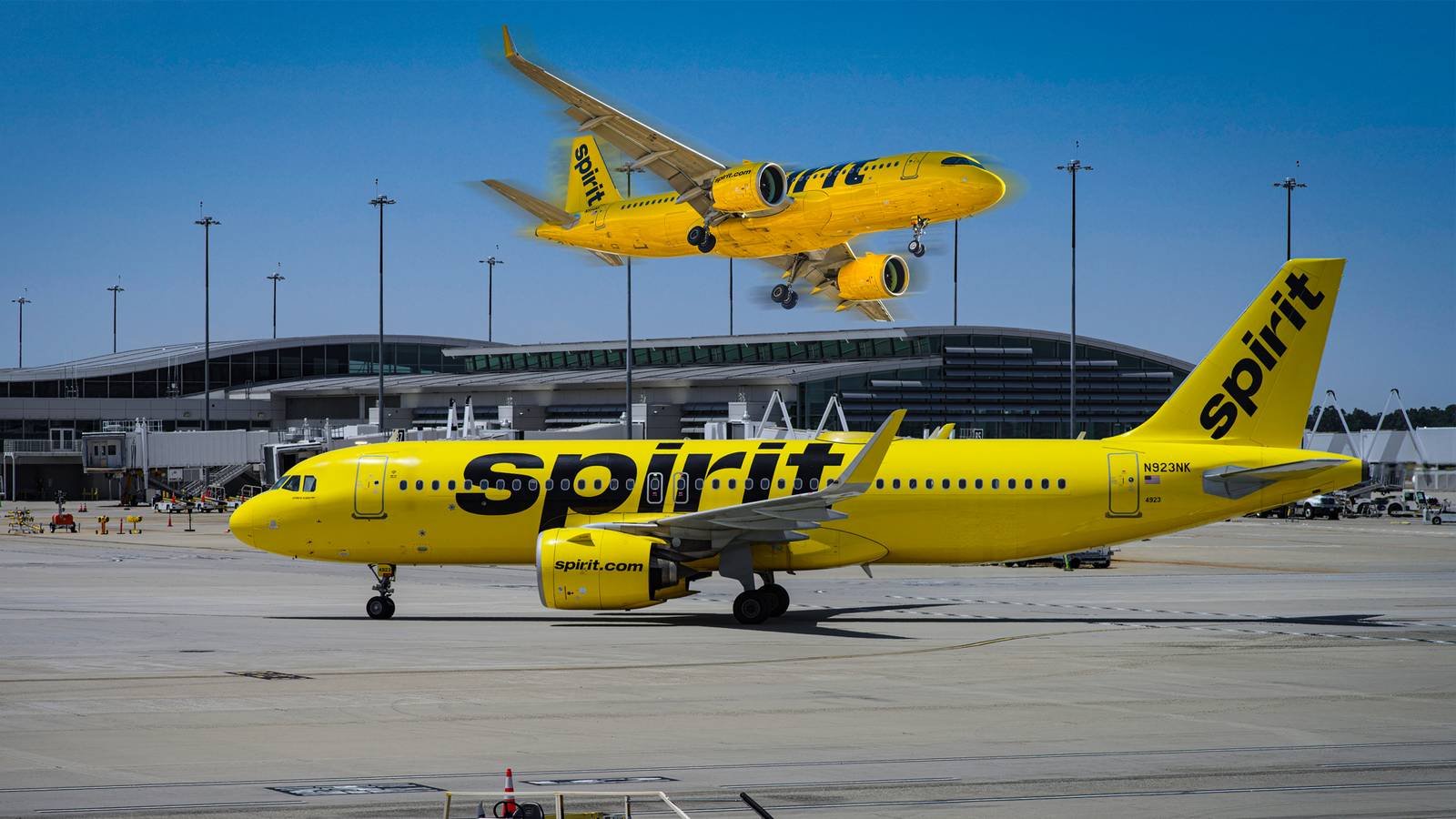
As the aviation landscape eagerly embraces sustainability and efficiency, the A320neo family emerges as a beacon of modernity. Yet, even amidst this technological renaissance, the shadows of adversity loom. Notably, some A320neos, tragically returned by Spirit Airlines during tumultuous financial seas, face a fate far removed from the skies. These aircraft are destined not for resale, but for disassembly into parts — a notion that defies the very essence of their potential.
Spirit Airlines: A Closer Look at the Departure
As the narrative of Spirit Airlines unfolds, it becomes evident that the airline has encountered turbulent skies. Having confronted two bankruptcy declarations in 2025, its fleet has contracted dramatically, with losses reflecting in the return of several A320neos and older models. This contraction, guided by strategic economic considerations, has understandably prioritized cost-ridden older aircraft over the cutting-edge A320neo and A321neo.
In an agreement bolstered by the U.S. Bankruptcy Court for the Southern District of New York, these splendid A320neos, mere toddlers at less than three years old, have found themselves returning to Irish lessor AerCap— a decision that, while financially motivated, strikes the heart of aviation enthusiasts who revel in the artistry of design and ambition.
The Riddle of Abandonment: Why Scrapping?
As the whispers of dismantlement ricochet through the echelons of the aviation industry, one must ponder: why would operationally robust A320neo aircraft, endowed with the revolutionary Pratt & Whitney PW1100G engines, be cast aside? This ingenious power plant, known for its remarkable fuel efficiency and sophisticated gearbox technology, clearly embodies the ethos of modern aviation; yet its underlying issues have led to a crisis of utilitarian essence.
In an intricate tapestry of demand and supply, the grounded A320neos echo the complexities faced by airlines grappling with engine reliability. With maintenance requirements surpassing repair capacity, these breathtaking airframes are often rendered less valuable than the engines themselves — a striking irony in a market celebrating innovation. As such, the engines, swathed in exigent value, are harvested, leading to the relinquishment of their parent airframes that yearn to reclaim the skies.
The Troubles of the PW1100G: Hurdles in Modern Engineering
A close examination reveals the multifaceted challenges enveloping the PW1100G. While it heralds advancements in engine technology, its legacy is marred by reliability concerns — a juxtaposition that complicates its relationship with the A320neo family. Early issues, encapsulating air seal leaks and inadvertent engine shutdowns, further exacerbated strained relationships between manufacturers and airlines, outweighing expectations associated with such high-tech innovation.
Yet, amidst the turbulence, a crucial lesson emerges. The staggering consequences of a singular reliance on one engine model reflect an inherent vulnerability in our aviation practices — one that has increasingly shifted towards sole-sourcing engines. While this approach may streamline manufacturing processes, it can plunge an entire aircraft family into chaos when faced with mechanical challenges.
A Wider Impact: Engine Issues Ripple Through the Industry
The ramifications of the PW1100G’s steadfast troubles extend beyond the A320neo, casting a shadow over other aircraft reliant on the PW1000G series, including the Airbus A220 and Embraer E2. A new era of uncertainty emerges, as airlines exhaust their resources while navigating the troubled waters of maintenance logistics.
As the clouds of uncertainty disperse, one thing is certain: the marvels of aviation — particularly the Airbus A320neo family — reside at a pivotal juncture. Empowered by an unwavering demand and brilliance of design, these aircraft beckon for strategic resolutions and revitalized vigor. With the Arabian skies etched as a backdrop to this unfolding saga, the A320neo’s potential remains undiminished, whispering promises of elegance and efficiency that await their rightful ascension among the clouds.