
Title: The Transition to a New Era: The Surprising Retirement of Young Aircraft in the Aviation Industry
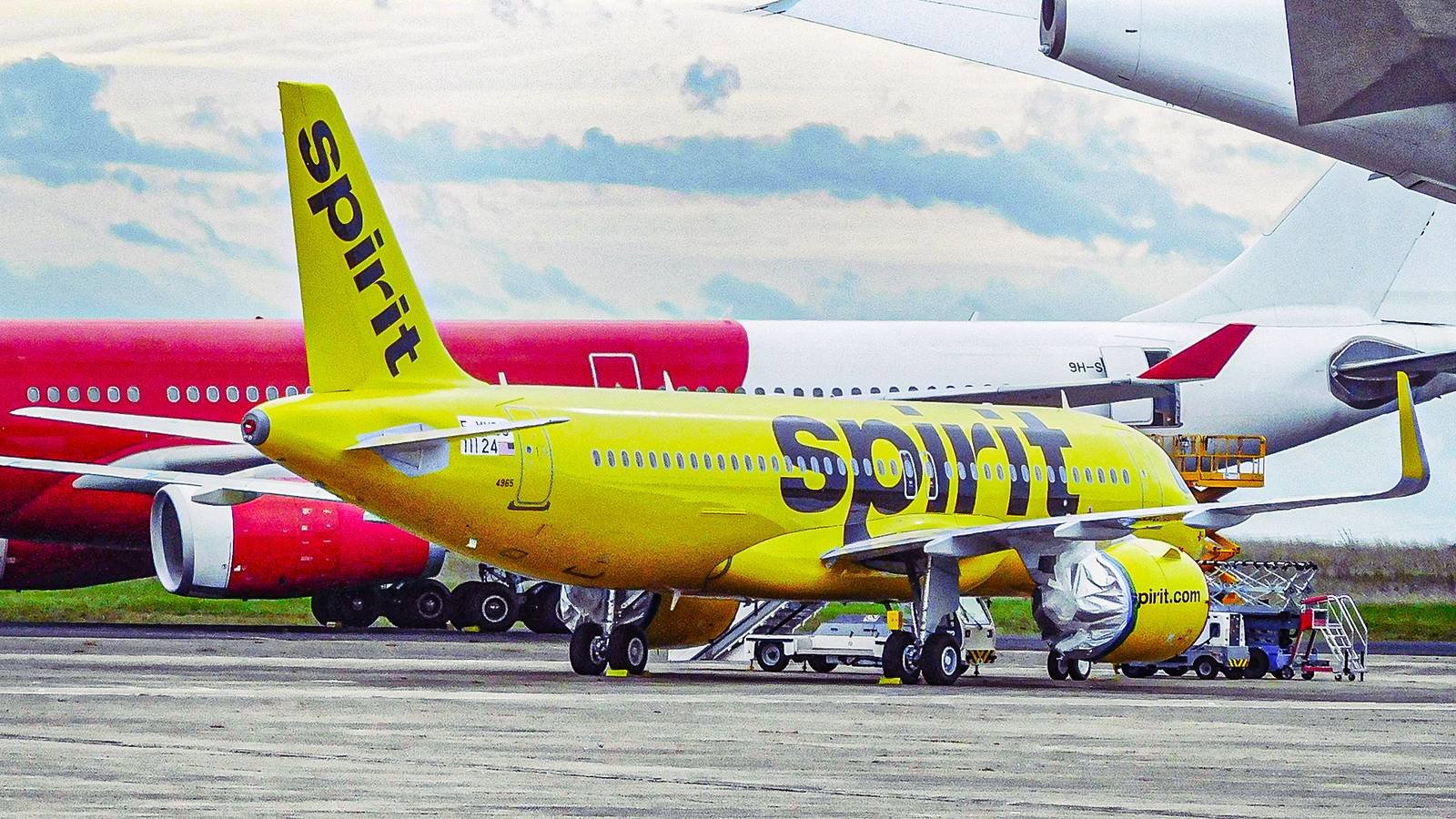
In a landscape where innovation thrives and the sky feels endlessly expansive, a quiet yet profound shift is rippling through the aviation industry—a phenomenon that unfurls like the silk of a luxurious fabric, intricately woven with complexities of modern technology and economic demands. Airlines, once the vanguards of durability, are embracing an unforeseen trend: the premature retirement of young aircraft, including fleet luminaries like the Airbus A320neo and the A220. At the heart of this renaissance lies an intricate tapestry woven from engine reliability concerns and the soaring value of spare components, redefining the aviation narrative.
One cannot overlook the pivotal role that engine reliability plays in this narrative. While the Pratt & Whitney PW1000G engine boasts design sophistication aimed at fuel efficiency and reduced emissions, it presents challenges of its own—a paradoxical blend of cutting-edge engineering and unyielding complexity. This complexity reveals itself through unexpected tribulations: premature wear, contamination of vital components, and a relentless cycle of maintenance that leaves carriers grappling with grounded aircraft, often for months on end.
Throughout the industry’s corridors, whispers of turmoil emerge. IndiGo has found its A320neo fleet constrained by extensive inspections, while Air Austral grapples with a staggering operational quandary—it faces the haunting prospect of a once-reliable fleet rendered impotent due to persistent engine issues. These scenarios force airlines to confront a somber reality: although the airframes may stand resilient, the engines that propel them become impediments to economic viability and operational excellence.
In this age of uncertainty, difficult decisions loom large, urging airlines to embark on the path of retirement rather than endurance. Air Austral serves as a poignant case in point; the airline resolved to part ways with its A220 fleet, not due to age, but rather the disproportionate toll of engine-related tribulations on operational efficiency and profitability.
The intertwining narrative of rising engine shortages further complicates this landscape. Global supply chain disruptions, coupled with a fragility of component availability, have escalated the demand for operationally sound engines. As a result, the monetary worth of engines has surged—a single serviceable unit now commands an astonishing $10 to $15 million, reshaping traditional valuations and creating an environment where parting out aircraft becomes more lucrative than maintaining them. In this nuanced economy, leasing companies are reluctantly dismantling fleet stalwarts to capitalize on the burgeoning market for high-demand components, striking a delicate balance between the old aviation paradigm and a new economic reality.
The art of parting out, once reserved for aging aircraft, now frequently envelops younger models, deftly illustrating a transformative shift in asset valuation. As airlines recalibrate their strategies amidst soaring component values, the once-static definition of an aircraft evolves into a dynamic collection of high-demand parts. Dismantling a relatively young aircraft can yield quicker returns than keeping it aloft in the skies—an enlightening revelation that speaks volumes about contemporary priorities within the aviation domain.
As lessors meticulously navigate a tapestry of economic pressures, they weigh the intricacies of leasing against the allure of parting out. An aircraft plagued by reliability challenges may render its leasing potential limited, prompting a decisive transition towards dismantling. This twist of fate not only alters the trajectory of aircraft lifespan but accentuates the notion that the aviation industry is in a state of constant evolution, responding to a landscape shaped by market forces and the relentless pursuit of profitability.
In the grand scheme, the retirement of young aircraft underscores a larger symphony of factors; operational disruptions incite unprecedented financial pressures, echoing through the halls of success and sacrifice in the aviation sector. Reliance on sound aircraft is paramount—when grounded for protracted periods, aircraft transmogrify from revenue-generating assets to financial burdens. Airlines must bear the weight of leasing fees and maintenance costs on planes unable to soar, further accentuating the urgency to retire troubled airframes.
As the landscape of aviation continues to evolve, it is evident that the embrace of modernity comes with its challenges. Supply chain constraints further exacerbate the operational intricacies, rendering timely repairs a Sisyphean endeavor amidst rising industry demands. With a shrinking capacity to maintain and repair, the inevitable conclusion emerges: retiring an aircraft, particularly one burdened by engine woes, becomes not just a choice but often a necessity—an investment in stability, efficiency, and ultimately, passenger satisfaction.
This burgeoning trend paints a vivid picture—a canvas where luxury, complexity, and economic imperatives coalesce. In a realm exhilarated by the promise of flight, the aviation industry is embarking on a pivotal chapter, transforming challenges into prospects as it seeks to navigate the skies of tomorrow with grace, poise, and unwavering resolve.