
The Pinnacle of Aviation Engineering: Boeing 777-9 Soars Towards Certification
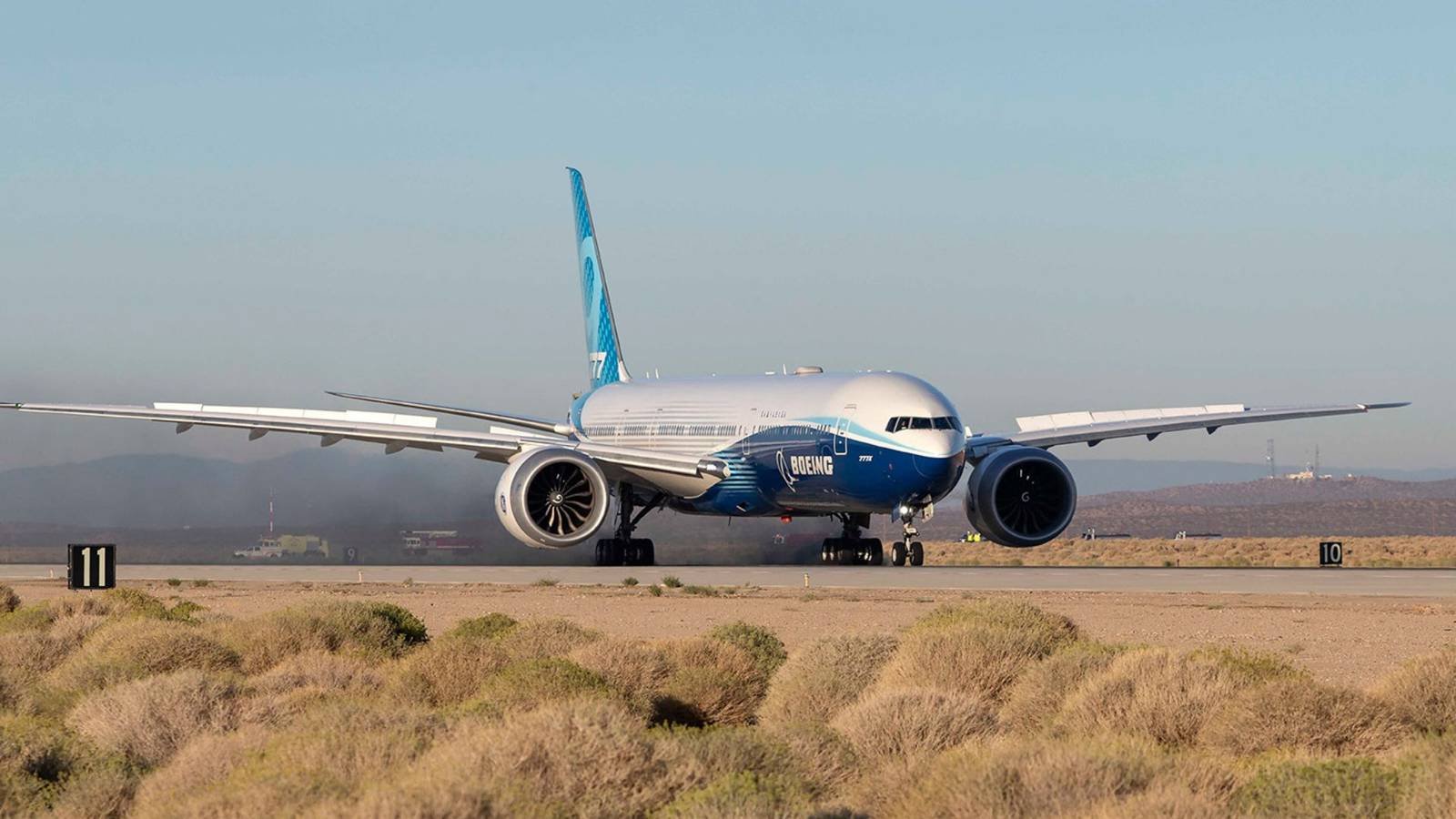
In a remarkable display of engineering brilliance and ambition, Boeing has gracefully orchestrated a pivotal moment in aviation history with the successful execution of a rejected takeoff test for its grand Boeing 777-9. This intricate ballet of technology and human prowess unfolded in early 2026 at a state-of-the-art high-speed runway facility, where the aircraft was subjected to rigorous conditions, illuminating its extraordinary braking capabilities in the most demanding scenarios.
As the 777-9 surged forward, a potent convergence of weight and speed translated into a kinetic symphony, peaking just before rotation speed. It was at this critical juncture that a command was given, thrusting the aircraft into a realm of maximum braking, and simultaneously deploying the spoilers while artfully eschewing thrust reversers. The performance was nothing short of breathtaking—akin to a finely tuned machine, dissipating energies of hundreds of megajoules entirely through its sophisticated braking system.
The revelatory test saw the aircraft’s brakes endure temperatures soaring to an astonishing 2,500 degrees Fahrenheit, a trial designed to not only challenge the materials but also to affirm the design’s resilience. The advanced carbon brake discs, engineered with meticulous precision, stood as paragons of innovation, lighter and more heat-resistant than their traditional steel counterparts. This carefully honed technology promised not merely survival but triumph in the face of fire.
Monitoring the impressive ballet of energy absorption and stopping distance, engineers maintained a vigil, their eyes trained on the very limits of material endurance. The certification standards mandated that this formidable airliner come to a complete halt within designated runway limits without external assistance—a feat that, once accomplished, validated the aircraft’s capacity to handle one of aviation’s most rigorous emergency scenarios. Captain Heather Ross, project pilot for the 777-9, encapsulated the endeavor’s essence, stating:
“We’re optimizing the conditions to make sure we put the most energy we possibly can into those brakes.”
The Art and Science of a Rejected Takeoff at V1 Speed
As stories of aviation’s intricacies often reveal, a rejected takeoff at V1 speed is a critical moment, manifesting in a myriad of scenarios. These moments typically arise from engine failures, fire signals, or alarming system indicators—each a testament to the unpredictable nature of flight. Below this crucial threshold, the pilot wields the power to discontinue ascent, securing the craft’s safety by executing a perfectly executed brake maneuver.
What transpires during the RTO test crystallizes the mastery behind the 777-9’s engineering. The aircraft, a beacon of modern design, melds aesthetic grace with unparalleled functionality, showcasing attributes that blend innovation and heritage seamlessly. This luxurious airliner is not merely a means of travel; it embodies the future of aviation.
The Boeing 777X family introduces groundbreaking innovations, from folding wingtips to high-bypass engines meticulously conceived by GE Aerospace. Each advancement promises a marked reduction in fuel burn, further enhancing its allure. Yet, with increased dimensions and a heftier weight, the stakes rise—requiring greater braking energy during those critical moments of abort.
As engineers delve into each component’s performance post-test, an intricate tapestry of evaluation unfolds. They assess how rapidly brakes cool after halting and manage potential risks associated with fire hazards—elements that are instrumental in safeguarding precious lives during an unexpected evacuation.
Significance of this Milestone for the 777X Legacy
With brake temperatures reaching feverish extremes capable of igniting the very remnants of tires, fire crews stood at the ready, epitomizing the vigilance inherent in this domain. Following the test, the aircraft was subjected to scrupulous inspection and analysis, showcasing the careful interplay of design and material science that defines modern aviation. The breakthrough in such demanding tests underscores the robustness of the 777-9, affirming its mettle under pressures that would daunt lesser constructs.
Visualizing a future unmarred by previous challenges, the 777X project aims to usher in a new era of air travel. The history of delays and design refinements serves as a prologue to what promises to be a transformative journey, with commercial entry anticipated at the dawn of 2027—an event eagerly awaited not just by global travelers but also by airlines like Lufthansa, who anticipate this marvel as part of their fleet.
As Boeing stands at the cusp of unveiling this ode to aviation, over 600 firm orders have already been secured, with Middle Eastern titans like Emirates and Qatar Airways anchoring the majority—an affirmation of faith in the art of aerospace craftsmanship. This journey, much more than a sequence of flights, epitomizes the relentless pursuit of excellence, harmonizing performance, safety, and sophistication.
The Boeing 777-9 is not merely an aircraft; it is a masterclass in engineering, a narrative of aspiration, and a beacon of what is possible when innovation meets tradition within the skyward pursuits of humankind.